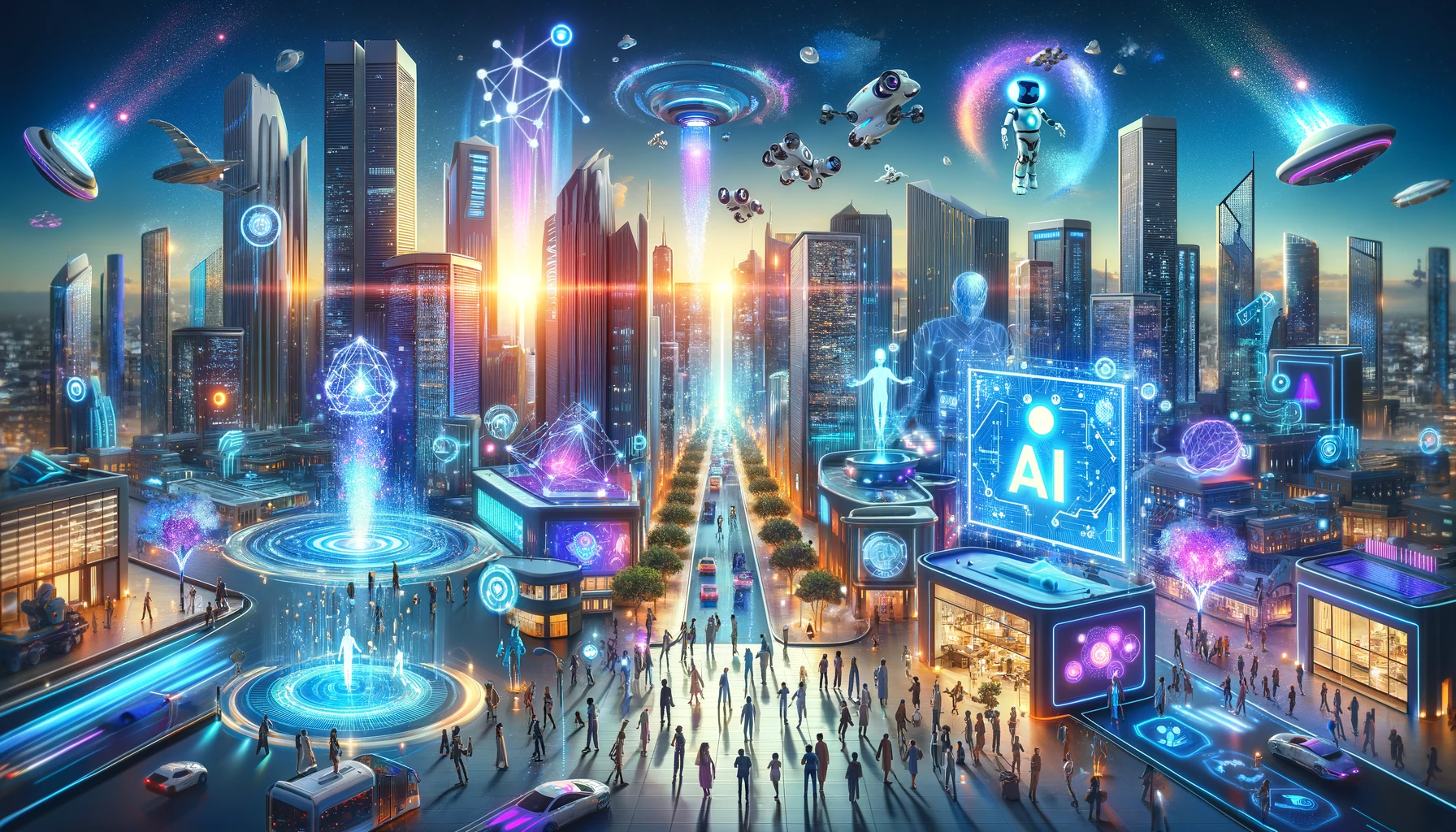
Artificial intelligence isn’t just trending. It is reshaping the landscape of business across various industries, offering new capabilities and improving efficiency. As businesses increasingly integrate AI into their operations, they are finding innovative ways to enhance decision-making, streamline processes, and create more personalized customer experiences.
The integration of AI in business is expected to have a significant impact on overall economic growth. For instance, AI is poised to contribute a 21% net increase to the United States GDP by 2030. This economic boost comes as AI-driven solutions enhance productivity and open new markets. Businesses are taking note of these trends and making strategic investments in AI technologies, tailoring custom enterprise models and leveraging open-source AI to adapt to the changing business environment.
Emerging AI Technologies
Generative AI: Unleashing Creativity
Generative AI is like a modern-day muse for businesses. Picture a tool that doesn’t just follow instructions but creates – designing vivid images, crafting engaging stories, and even video. It’s a frontier of innovation where AI systems, powered by sophisticated machine learning models, are not just tools but partners in creativity, automating and enhancing the creative process.
AI and Cloud Computing: A Dynamic Duo
When AI meets cloud computing, it’s like a match made in tech heaven. This combination allows businesses, big and small, to tap into powerful machine learning and deep learning without breaking the bank on hardware. It’s a game-changer, speeding up innovation and getting products to market faster. Imagine having the power of advanced computing at your fingertips, transforming ideas into reality at lightning speed.
Edge AI and IoT: Intelligence on the Go
Edge AI is like having a smart assistant right where you need it. By teaming up AI with IoT devices, businesses can process data instantly, on-site. This means quicker decisions, less waiting, and more efficiency, especially in sectors like manufacturing and healthcare where every second counts. It’s about bringing intelligence to the front lines, where the action happens.
Advanced Machine Learning Models: The Brainpower Boost
The evolution of machine learning models is like turbocharging AI’s brain. These advanced models, including deep learning and foundation models, are not just smarter; they’re insightful, offering deeper data analysis, sharper pattern recognition, and predictive powers like never before. For businesses, this translates into deeper insights and more precise decision-making.
Each of these AI technologies is a stepping stone, leading businesses not just towards operational efficiency but opening a world brimming with opportunities for growth and innovation. It’s an exciting time, a time where AI is not just a tool but a transformative force in the business world.
AI Trends in Business Operations
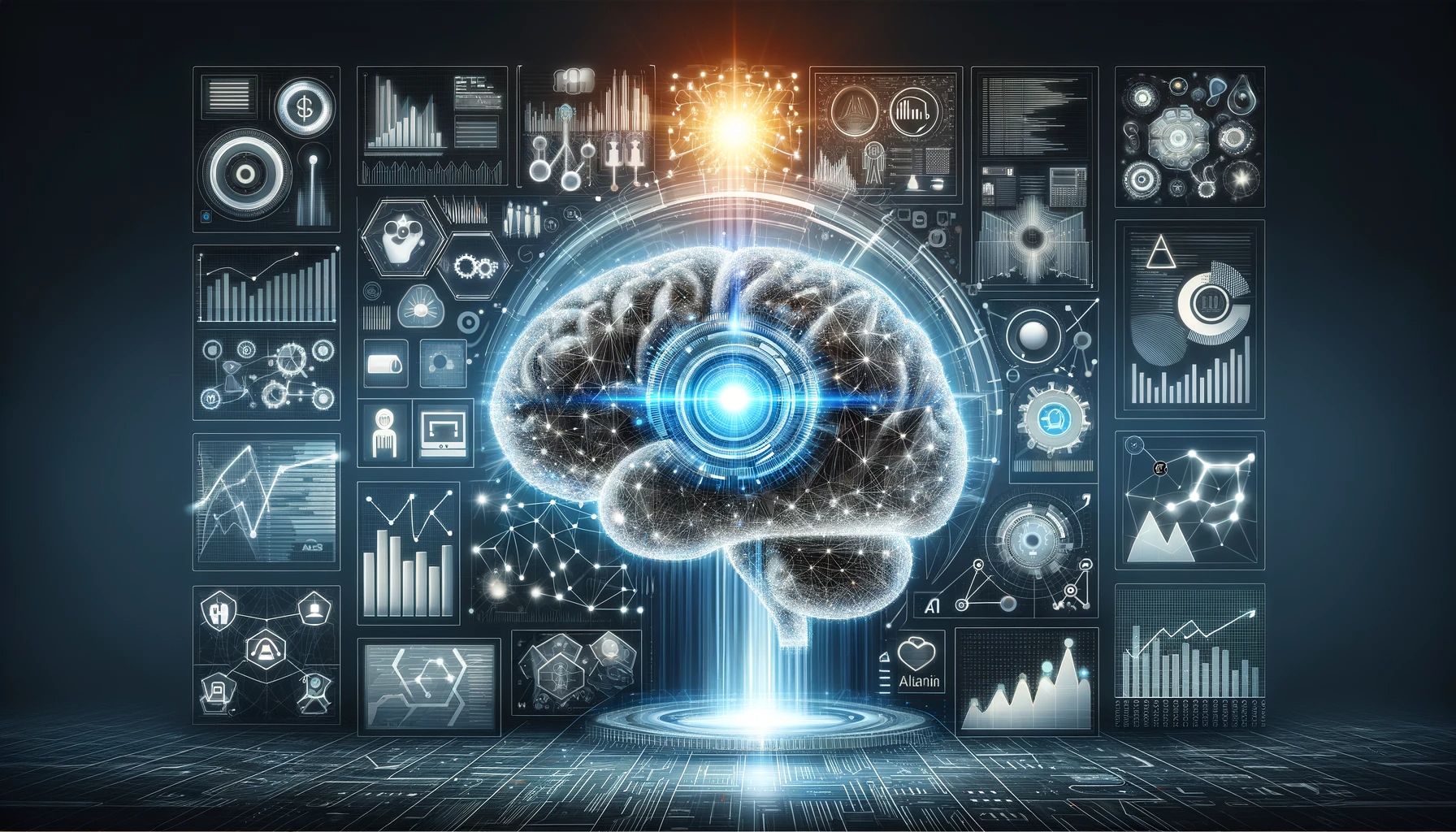
Business operations are increasingly relying on AI to enhance efficiency and innovation. AI-driven automation is transforming core processes, marketing strategies are being redefined by AI, and manufacturing is witnessing a significant shift towards smarter, AI-integrated systems.
AI-Driven Automation
In supply chain management, AI is pivotal for predicting demand, tracking inventory levels, and optimizing logistics. Operational AI systems use algorithms to forecast supply needs, reducing waste and preventing stockouts. Companies are deploying AI to streamline operations with automation, leading to a reduction in repetitive tasks and allowing human workers to focus on more complex problems.
AI Trends in Marketing Automation
With AI in marketing automation, businesses can personalize customer experiences at scale. By analyzing customer data, AI helps in crafting targeted marketing campaigns, and adjusting them in real-time for maximum effectiveness. Operational AI systems within marketing can autonomously run A/B testing, segment audiences, and even manage customer interactions without human intervention.
AI in Manufacturing
Manufacturing has embraced AI to improve product quality and supply chain efficiency. AI systems in manufacturing can predict equipment failures before they happen, minimizing downtime. They also enhance quality control processes through precise image recognition technologies, and optimize manufacturing operations via automation of not only the production lines but also the administrative tasks.
AI Trends: Automation in Small Businesses
AI is becoming more applicable and accessible for SMBs as software and service evolves.
AI-Powered Customer Service: Personalized and Efficient
Small businesses can now offer customer service that rivals that of large corporations, thanks to AI. Tools like chatbots and AI-driven support systems provide instant, 24/7 assistance to customers.
These smart systems can handle a wide range of queries, from tracking orders to answering FAQs, freeing up human staff to tackle more complex issues. The beauty of AI in customer service lies in its ability to learn from each interaction, continually improving its responses and personalizing the customer experience.
Automated Marketing: Targeted and Insightful
Marketing automation powered by AI is transforming how small businesses reach and engage their audiences. AI tools can analyze vast amounts of data to identify trends, customer preferences, and buying behaviors. This leads to highly targeted marketing campaigns that speak directly to the needs and interests of each customer. From personalized email marketing to AI-curated content on social media, these smart solutions ensure that small businesses can maximize their marketing impact with minimal effort.
Incorporating AI automation in these areas not only boosts efficiency and reduces costs but also elevates the customer experience. For small businesses, this isn’t just about staying competitive; it’s about setting new standards in customer engagement and marketing innovation.
AI and Business Strategy
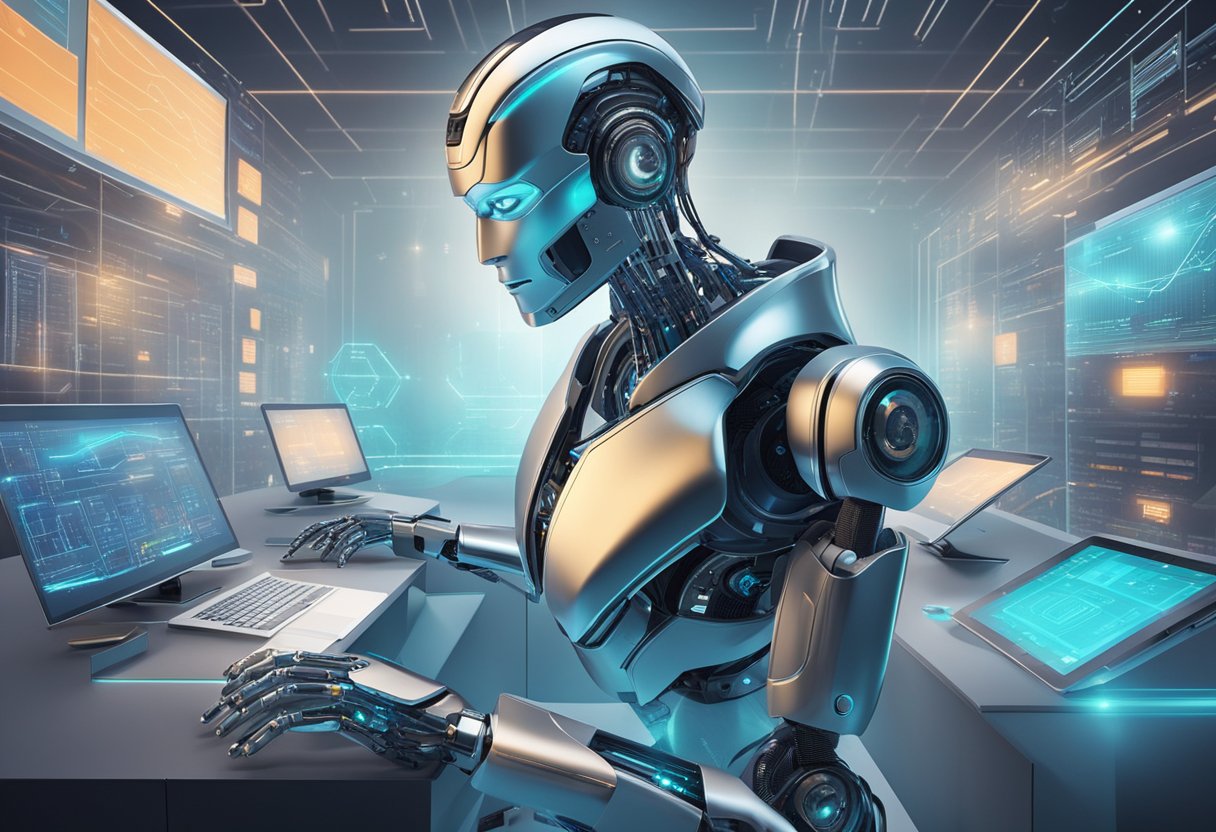
Artificial intelligence is reshaping the landscape of business strategy, offering unique opportunities for companies to drive innovation, enhance competitive advantage, and see tangible growth in revenue.
Investment in AI
The level of investment in AI continues to surge as businesses recognize its potential to transform operations and generate more profit. Firms not only allocate funds to acquire AI technologies but also invest heavily in developing the necessary infrastructure and talent. Such investments are critical for staying ahead in an increasingly AI-driven market.
Monetizing AI Innovations
Companies are rapidly finding ways to monetize AI innovations, effectively turning new AI capabilities into sources of revenue. This involves deploying AI tools to enhance product offerings or using AI to create entirely new products and services. It’s a strategic move that not only generates income but also adds value for customers.
AI and Competitive Strategy
Integrating AI into competitive strategy allows businesses to make more informed decisions, optimize operations, and provide personalized customer experiences. This strategic edge is essential for companies aiming to outperform their competition. AI-driven analytics and decision-making provide a level of insight that can propel a company to the forefront of its industry.
AI Impact on Human Resources
Artificial Intelligence (AI) is revolutionizing the field of human resources (HR), streamlining operations and providing insights that improve decision-making processes. It equips HR professionals to shift from administrative roles to strategic positions, focusing on enriching employee experiences and cultivating AI talent.
AI Recruitment Tools
AI-powered recruitment tools are transforming the way organizations scout and acquire talent. Leveraging AI, recruitment software can parse through thousands of resumes, identifying candidates whose skills and experiences best match the job criteria. Companies utilizing AI in HR note a significant uptick in process efficiency, with sophisticated algorithms ensuring a more accurate and unbiased selection process.
- Candidate Screening: AI systems automate initial screenings, processing vast datasets to shortlist candidates.
- Enhanced Job Matching: Algorithms analyze job descriptions and candidate profiles to ensure a precise match.
These instruments are instrumental for HR departments looking to optimize the hiring workflow and secure the most capable knowledge workers without the traditional time expenditure.
Talent Management and AI Training
AI’s influence on talent management is marked by the development of personalized training programs. By assessing individual performance and learning styles, AI-generated models suggest customized training modules tailored for each knowledge worker. AI also predicts career progression paths, helping HR professionals nurture their workforce’s potential and planning effectively for future roles.
- Performance Analysis: AI tools analyze performance data, recommending pathways for employee development.
- Continuous Learning: Employees receive AI-curated learning resources, aligned with their growth trajectories and the organization’s strategic direction.
Through these AI-facilitated systems, organizations are able to not only manage but also develop their human capital more effectively, ensuring they are well-prepared for the intricate work landscape of the future.
Challenges and Considerations
AI Adoption Risks
AI technology presents a range of risks that businesses must carefully manage. The skills gap is a primary concern, as organizations often struggle to find personnel with expertise necessary to leverage AI effectively. Additionally, the rapid pace of AI development can lead to disruption, both in terms of market dynamics and internal company processes. Companies must remain agile and willing to adapt their strategies to mitigate these risks.
The Future of AI Employment
The intersection of AI and employment generates both excitement and anxiety. On one hand, AI can augment the workforce, enhancing productivity and creating new opportunities. Yet, there are limitations; not all roles can be complemented by AI, and some may be replaced entirely.
Final Thoughts
AI will continue to trend and as businesses get acclimated with AI. This is basically the beginning of businesses utilizing AI to take their business to the next level. Enterprises and larger businesses are able to hire in house AI consultants and teams.
Small businesses will continue to search for ways to improve their business through automation and implementing AI. Now there are AI companies and consultants focusing on helping SMBs to acclimate the right software and automations in their business.
